
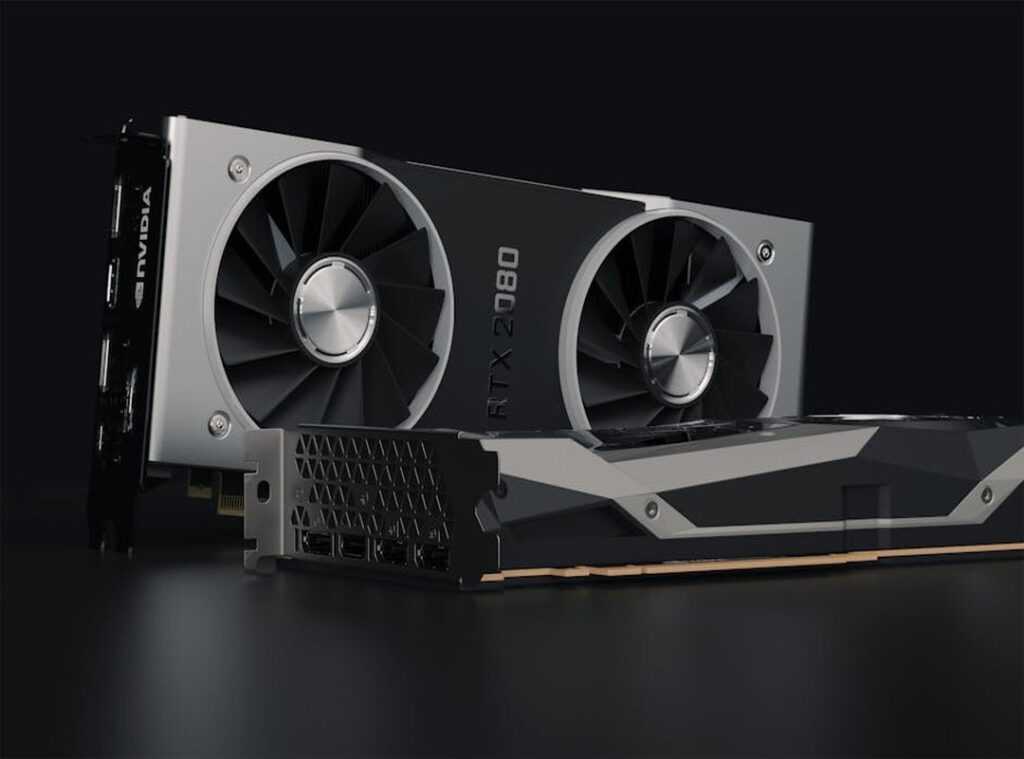
You’re staring at your RTX 3080 rig. It still runs Cyberpunk at 144 FPS. So why does that RTX 5090 ad keep popping up?
Because someone told you to upgrade every two years. That’s nonsense. Your GPU doesn’t expire on a calendar.
I’ve tested 12+ generations of GPUs, CPUs, and storage. Not in labs. In real games.
AAA titles, flight sims, CS2 matches (over) eight years. I know which parts die first (hint: it’s not the GPU).
Generic timelines ignore your actual needs. Your budget. Your games.
Your patience.
How Often Upgrade Gaming Pc Jogameplayer isn’t about counting years.
It’s about watching what breaks first (and) what matters most to you.
This isn’t another “just buy new” take. It’s a component-level system. You’ll know exactly when to pull the trigger.
Or walk away.
No hype. No FOMO. Just clear signals from your own setup.
“Every 2 Years” Is a Lie
I bought my last GPU in 2020. It’s still my main card. And no, I’m not running Minecraft on low.
A RTX 2070 Super with a Ryzen 5 3600 handles CS2 at 144fps and Elden Ring at 60fps (both) at 1080p. That’s not “fine.” That’s functional. That’s enough.
But try Cyberpunk 2077 with DLSS 3.5 ray tracing at 1440p? It chokes. Not because the hardware is broken.
Because that feature didn’t exist in 2020. You don’t upgrade for what you have. You upgrade for what you want next.
GPUs last 3 (6) years. Your mileage depends on resolution, target FPS, and whether you care about bleeding-edge rendering tech. (Spoiler: most people don’t.)
CPUs last 5. 8 years if you’re not overclocking. A 6-core chip from 2019 still crushes productivity workloads today. High-core-count builds?
They age slower. Gaming? Less so (but) only if you’re chasing 240fps in Valorant.
RAM lasts 7+ years unless you hit capacity walls. 16GB was enough in 2018. It’s borderline in 2024. If you’re also running Chrome, Discord, and OBS.
SSDs wear out slower than you think. But capacity needs grow faster. That 500GB drive fills up quick when games average 100GB each.
Generational leaps. Not model numbers. Matter.
RDNA3 isn’t just “better than RDNA2.” It’s a new architecture. RTX 4070 vs. 4070 Ti? That’s marketing padding.
The CPU bottleneck myth? Real (but) only when 1% lows dip below 60fps in competitive titles. Not when average FPS drops from 220 to 190.
Jogameplayer tracks this stuff daily. How Often Upgrade Gaming Pc Jogameplayer? Not as often as ads tell you.
Upgrade when it stops doing what you need. Not when the calendar says so.
The Real Triggers: When Your Rig Actually Needs an Upgrade
I’ve upgraded rigs for ten years. Most people upgrade too late (or) for the wrong reasons.
Here’s what actually matters (not) what feels shiny.
Consistent sub-60 FPS in three new AAA titles at your target resolution and settings? That’s not lag. That’s a hard stop.
Use MSI Afterburner + CapFrameX to verify frame times. Not just averages.
Can’t let DLSS 3, FSR 3, or AV1 encoding? Your GPU or CPU is outdated enough to hurt real-world use. GPU-Z checks BIOS compatibility.
Don’t guess.
Thermal throttling causing >10% sustained performance loss? HWiNFO64 logs it cleanly. If temps stay under 83°C but you’re still losing frames, it’s not heat.
It’s silicon.
VRAM saturation? Texture pop-in at max settings? HWiNFO64 shows VRAM usage over time. 95%+ steady = upgrade signal.
Power supply or motherboard blocking future upgrades? That’s not theoretical. It’s a platform-level dead end.
“Runs hot” isn’t a trigger (if) it’s under 83°C. “Looks better on console” usually means better optimization. Not more power. “Wants RGB sync”? Cool.
Not relevant.
How Often Upgrade Gaming Pc Jogameplayer isn’t about calendar dates. It’s about these five signals.
| Trigger | Tool | Upgrade Scope |
|---|---|---|
| Sub-60 FPS in 3+ new AAA | CapFrameX + Afterburner | GPU or full platform |
| Can’t let DLSS/FSR 3 | GPU-Z | GPU |
| Thermal throttling >10% | HWiNFO64 | Cooling or CPU/GPU |
| VRAM saturation | HWiNFO64 | GPU |
| PSU/motherboard limits | Manual spec check | PSU, mobo, or both |
Budget Intelligence: Stretch, Wait, or Pivot?
I’ve upgraded nine PCs. Six of them too early. Three were just right.
You don’t upgrade because a new GPU dropped. You upgrade because your current one fails you (in) frames, load times, or stability.
I wrote more about this in Top monitors for movies jogameplayer.
Let’s talk numbers. RTX 4080 Super gains ~22% over the 4070 Ti at 1440p. But it costs ~40% more.
That math doesn’t work unless you’re chasing 240Hz+ or 4K. (And even then (check) your monitor first.)
The 18-month rule is real. If your GPU launched 18 months before its successor and you’re hitting ≥2 of these: stuttering in new titles, >30% CPU bottleneck in GPU-bound games, or constant VRAM swapping. Upgrade is justified.
Even if it “still works.”
Half-upgrades are underrated. Pair a new GPU with last-gen CPU/motherboard. if PCIe 4.0 is supported. Or upgrade RAM before GPU if you’re running <32GB and playing Cities: Skylines II or Starfield.
Memory bottlenecks hit harder than most realize.
Resale value? AMD GPUs hold ~45 (55%) after two years. NVIDIA holds ~50. 65%.
But forget MSRP. Go to r/hardwareswap and scroll through sold prices. That’s your real trade-in number.
How often upgrade gaming pc jogameplayer? Not on a calendar. On evidence.
If your monitor can’t keep up, none of this matters. I’d rather pair a solid 4070 Ti with one of the Top Monitors for Movies Jogameplayer than rush a 4090 into a 60Hz panel.
Wait until the gap hurts. Then move fast.
Game Upgrades Aren’t About Parts (They’re) About What Runs

I used to think upgrading meant waiting for a better GPU. Then I ran Alan Wake 2 on a Ryzen 5 5600. Framerates tanked (not) from the GPU, but because Nanite chewed RAM and Lumen hammered the CPU.
Unreal Engine 5 isn’t just prettier. It’s hungrier. And Unity’s DOTS? Same deal.
Mid-tier CPUs like the 5600 or i5-12400F won’t cut it in 2025 (2026) titles. Even if your GPU is fine.
DirectX 12 Ultimate matters more than TFLOPS. Mesh shaders. Sampler feedback.
Few cards fully support them today. If yours doesn’t? You’re already behind.
Not next year.
AV1 encoding is taking over streaming tools. That means your GPU needs a dedicated AV1 encoder now, not when you finally upgrade. Skip it, and OBS will choke while you try to stream Starfield.
Windows 11’s Pluton co-processor? Older motherboards can’t handle its secure-boot requirements. That motherboard you love?
Might block future updates outright.
So how often upgrade gaming pc jogameplayer? Ask yourself: do you stream and play? Then yes (GPU) first.
Not later.
What new game just came out jogameplayer? Check that list before you commit to another two years on old hardware.
Your Upgrade Clock Starts With One Frame
I’ve said it before. I’ll say it again.
How Often Upgrade Gaming Pc Jogameplayer isn’t about years. It’s about what your system fails to do right now.
That stutter in Cyberpunk. That 12ms frame time spike you saw yesterday. That missing DLSS 4 support in your favorite title.
Those aren’t warnings. They’re receipts.
You don’t need all five triggers. Just two means it’s time (not) next month, not after the next GPU launch.
You’re tired of guessing.
Download the free Upgrade Readiness Checklist. Then run CapFrameX tonight in your most demanding game.
See the numbers. Not the hype.
Your next upgrade isn’t dictated by Nvidia’s launch date. It’s defined by the frame time spike you saw yesterday.
Do it tonight. Click. Run.
Decide.