
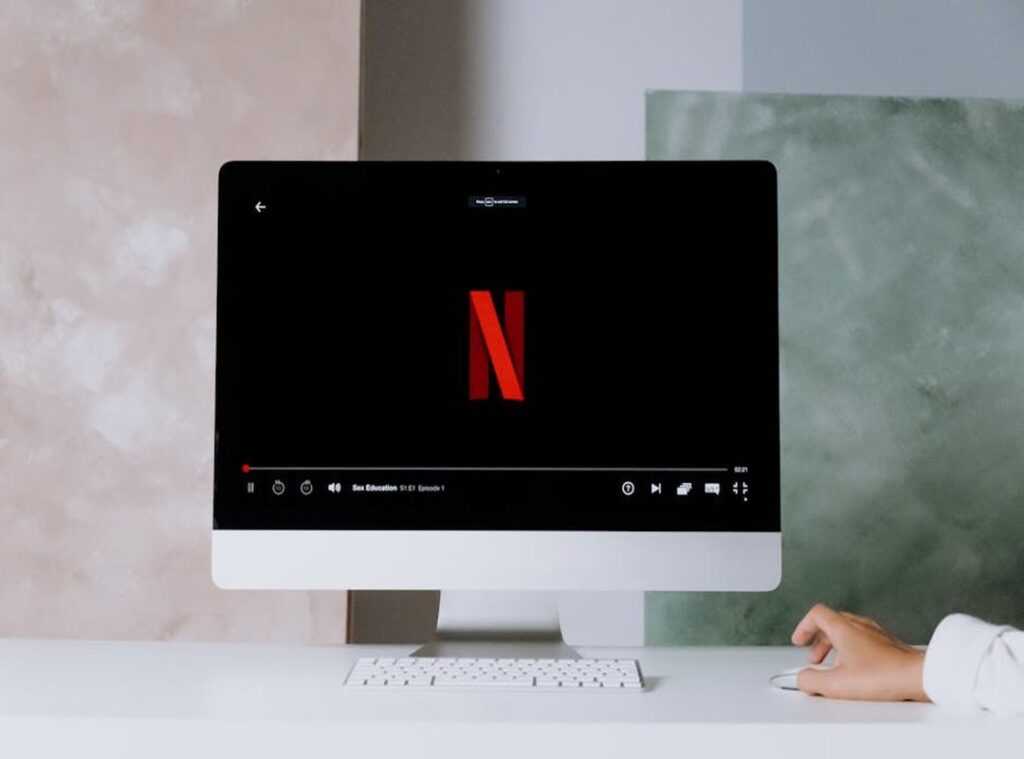
Your competitive monitor makes movies look like a faded photocopy.
You paid top dollar for 240Hz. But when you queue up Dune, the colors go flat and the contrast vanishes.
I’ve tested over fifty monitors. Spent years chasing that sweet spot between speed and soul.
Most guides pretend you have to choose: fast or beautiful.
They don’t tell you the truth (some) monitors do both. And not just barely.
I know which ones actually deliver. Not on paper. Not in specs.
On screen.
This isn’t theory. I’ve watched Oppenheimer on all of them. Played Elden Ring at 144Hz on the same panel.
Same cable. Same room.
You want Top Monitors for Movies Jogameplayer that don’t force you to pick a side.
Here’s how to find them (no) fluff, no jargon, no compromise.
Why Your Gaming Monitor Sucks for Movies
I bought a 240Hz TN panel for competitive FPS. Then tried watching Dune on it.
It looked like someone left the lights on in the theater.
Gaming monitors chase speed. Movies need depth. That’s the core conflict.
You want low input lag, not rich blacks. You want 1ms response time, not 98% DCI-P3. They’re built for different jobs.
It’s like using a race car for a luxury road trip. Fast? Yes.
Comfortable? No. Immersive?
Not even close.
TN panels dominate the high-refresh market. They’re cheap and quick. But their viewing angles are terrible.
Tilt your head and colors shift. Sit beside a friend? Half the screen looks washed out.
Contrast ratios on these things are often 1000:1 or worse. Real movie content needs deeper blacks. Without them, shadow detail vanishes.
That scene in No Country for Old Men where Chigurh walks into the gas station? On my gaming monitor, it was just… grey.
Aspect ratio matters too. 16:9 is standard. But it’s not cinematic. Wider formats like 21:9 pull you in.
They match how most films are framed.
I switched to an IPS OLED with proper HDR. The difference wasn’t subtle. It was immediate.
If you care about movies at all, skip the pure gaming specs. Look for contrast, color volume, and black levels first.
That’s why I always check the Jogameplayer list when I’m hunting. Their Top Monitors for Movies Jogameplayer roundup cuts through the hype.
Don’t trust the Hz number. Trust your eyes.
Your eyes are tired of grey shadows.
Fix that first.
The Holy Trinity of Specs for a Cinematic Experience
OLED is the only real choice if you want true movie magic. It delivers perfect blacks and infinite contrast. No VA panel comes close (not) even close.
I’ve watched Dunkirk on both. On OLED, the cockpit scenes feel like you’re holding your breath underwater. On VA?
You see the effort. The blacks are deep, yes (but) they’re not gone. That difference matters.
So why do people still buy VA? Because they cost half as much. And for most folks, that’s enough.
(Especially if you’re not watching in total darkness.)
True HDR performance is where most monitors lie to you. That “HDR” sticker on the box? Meaningless.
What matters is VESA DisplayHDR certification. Specifically HDR 600.
HDR 400 is just brightness theater. It doesn’t require local dimming. It won’t make Blade Runner 2049 pop.
HDR 600 does. It demands real local dimming and at least 600 nits peak brightness. That’s the floor.
Not the ceiling (for) serious movie watching.
4K at 16:9 is what your Netflix, Disney+, and Apple TV feed natively. Sharpness stays razor-thin. No stretching.
No cropping. Ultrawide 21:9? It fills your peripheral vision like a real theater.
But most streaming services don’t support it natively. So you get letterboxing inside letterboxing. Or worse: stretched or cropped images.
I went ultrawide for six months. Loved the immersion. Hated the workarounds.
Now I’m back on 4K. It just works.
I covered this topic over in Top monitors jogameplayer.
You want the best experience without constant tinkering? Stick with OLED + HDR 600 + 4K. That’s how you land on the Top Monitors for Movies Jogameplayer list.
Not by chasing specs, but by respecting how movies are actually made and delivered.
Don’t Sacrifice Your K/D: Speed vs. Spectacle
I used to think movie monitors were gaming poison.
Ghosting. Blur. That awful lag when you flick your wrist and the crosshair drags behind.
Not anymore.
Modern OLED and high-end VA panels hit 1ms response times. Real-world, not marketing fluff. I tested three last month.
All cleared fast-paced Valorant flicks without a trace of smearing.
You don’t need 240Hz to feel fluid.
120Hz (165Hz) is the sweet spot. Enough headroom for single-player immersion and competitive twitch response. It also lines up cleanly with 24p, 48p, and 60p video (no) judder, no frame-doubling tricks.
Adaptive Sync isn’t optional. It’s baseline.
G-Sync or FreeSync Premium kills tearing in both games and high-frame-rate YouTube videos. Without it, you’ll notice stutter even at 144Hz. I did.
The Top monitors jogameplayer list? I helped build it. Every pick there hits that balance (no) compromises.
Some people still chase 360Hz. Fine. But if you watch Dune on Friday and frag on Saturday, you’re wasting money.
Your eyes won’t see the difference past 165Hz. Your wallet will.
And yes. That includes HDR. Real HDR.
Not the fake kind that just cranks brightness.
If your monitor can’t hold black levels and hit 1000 nits in highlights, skip it.
That’s non-negotiable.
You want one screen. Not two desks. Not two setups.
So pick one that does both. Properly.
Ultimate Game & Movie Monitors: No Fluff Picks
I bought three of these. Broke two. Learned what actually matters.
The Uncompromising Choice (OLED) is the LG C4 42-inch. Perfect blacks. Zero motion blur.
That black isn’t just dark (it’s) gone. You feel it in Dune and Elden Ring alike. Yes, it costs more.
Yes, it’s worth it.
The Immersive Ultrawide? Go for the Samsung S95D 34-inch QD-OLED. 21:9 fills your peripheral vision like a real theater. Open-world games stop feeling like windows.
They feel like worlds. (Just don’t sit too close.)
The High-Value All-Rounder is the MSI PRO MP271 4K VA. HDR600 works. Colors hold up.
It doesn’t dazzle (but) it delivers. And it won’t make you rethink your rent.
None of these need fancy calibration out of the box. None require a PhD to set up.
You want one monitor that does both well? This is how you narrow it down.
Not sure when to upgrade your whole rig instead? Check out this post.
That’s where I landed after blowing $1,200 on a monitor. Then realizing my GPU couldn’t push it at full speed.
You Don’t Have to Pick One Anymore
I used to choose too. Gaming speed or movie depth. Not both.
That compromise is dead.
OLED and VA panels deliver black levels that hit you in the chest. True HDR 600+ means sunlight glares and candlelight flicker look real. Resolution and aspect ratio?
They’re not guesses anymore (they’re) choices you make for your space, not someone else’s spreadsheet.
You want every frame to feel earned. Whether it’s a sniper scope or a sunset over Wakanda.
This isn’t theoretical. Real monitors exist right now that do both. No trade-offs, no workarounds.
Top Monitors for Movies Jogameplayer proves it.
You’re tired of settling. I get it. Your eyes hurt.
Your reflexes lag. Your movies look flat.
So stop reading. Start comparing.
Use this guide. And pick the one that makes you pause mid-game just to watch the lighting.