
Introduction
From 2015 to 2025, game monetization was built around one core idea: keep players hooked—and paying. Free-to-play models exploded, but they weren’t really free. Loot boxes, gacha mechanics, endless cosmetic bundles, and pay-to-win upgrades became the norm, especially in mobile and live-service titles. Developers leaned heavily on microtransactions to push lifetime value (LTV) per user, and for a while, the numbers backed it up.
But by the time 2026 rolled around, cracks in the system were hard to ignore. Players had grown weary of predatory pricing models. Government regulations started tightening. And the online discourse turned from casual complaints to full-blown demands for ethical practices. People didn’t just want better games—they wanted to feel respected as players, not scanned like wallets.
In response, developers are shifting course. Monetization in 2026 is moving toward transparency, fairness, and engagement first. It’s less about squeezing every cent and more about building trust—and with that trust, long-term success.
The Microtransaction Backlash
By 2026, the gaming community had simply had enough. Pay-to-win models—where spending more money meant better chances at victory—lost their appeal. Players started opting out, both vocally and with their wallets. Forums lit up with calls for fairer systems, and even casual gamers knew when a title was rigged for spenders.
Governments took notice, especially in Europe. The Netherlands and Belgium were among the first to crack down, treating certain loot boxes like gambling. That opened the door for broader regulation, and other countries followed. Studios were suddenly forced to explain how their in-game economies worked—and in some cases, to tear them down entirely.
At the same time, social pressure built up. Influencers, Twitch streamers, and even developers began calling for ethical frameworks. Aggressive monetization started to look bad—not just to players, but to potential partners, sponsors, and platforms. This wasn’t just a player revolt; it became a PR risk.
The result? Publishers started walking back the worst of it. Mandatory spending walls, random loot with low drop rates, and $99 starter packs are fading. In their place: systems that support the player experience, not exploit it.
The Numbers Don’t Lie
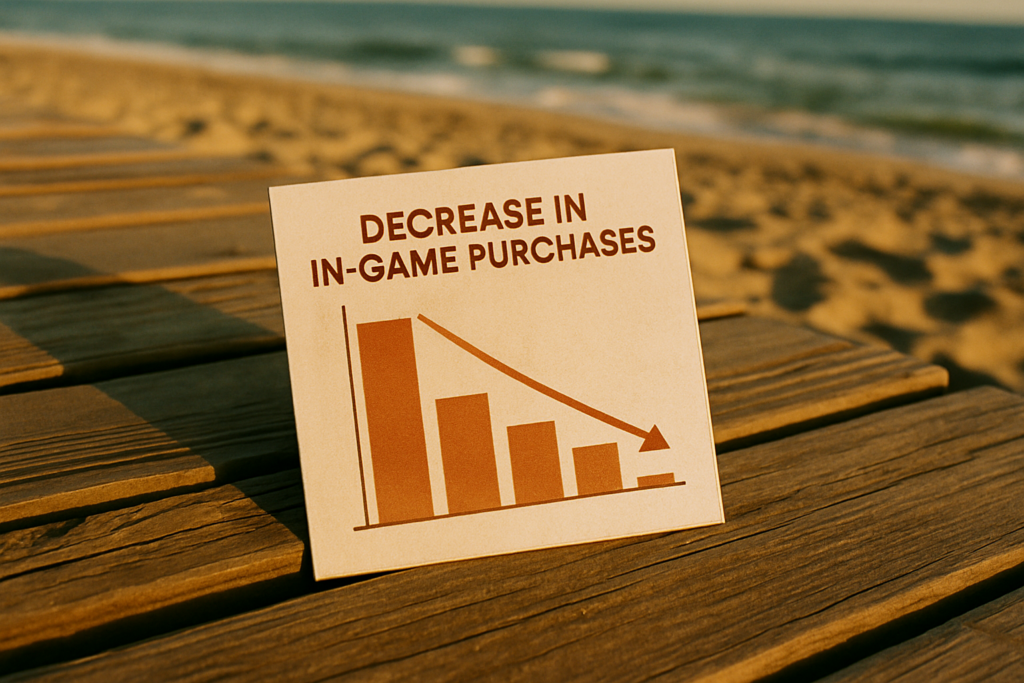
Since 2024, in-game purchases have been sliding steadily. Players have grown more selective—less willing to drop real cash on coins, crates, or loot that feels rigged or repetitive. The data backs it up: conversion rates are down across genres, from mobile to AAA. Even games with massive install bases are seeing less revenue per player.
At the same time, games clinging to aggressive microtransactions are hemorrhaging users. Uninstall rates spike when pay-to-win mechanics dominate or when progression feels gated behind purchases. Players are walking away faster, and they’re not quiet about why.
But here’s the bright spot: studios shifting toward alternative models—battle passes, cosmetic unlocks, straightforward subscriptions—are seeing real gains in retention. Gamers stick around when the value is clear and the experience feels fair. It’s not magic, it’s trust. And in 2026, that’s the currency that counts.
What’s Replacing Microtransactions in 2026?

Players made it clear: they’re done paying to win. But that doesn’t mean monetization is dead—it’s just evolving.
Battle passes are still around and surprisingly stronger than ever. The bad buzz has worn off, mostly because developers started listening. Tiers are more balanced, progress feels fairer, and rewards align better with playtime. People don’t mind paying when what they get actually feels earned.
Subscription models like Xbox Game Pass and the revamped PlayStation Plus are picking up steam. Instead of squeezing users with unpredictable purchases, these services offer all-you-can-play access that feels low-risk, high-reward. For players, it means less buyer’s remorse; for developers, it means revenue they can count on. Win-win.
Direct purchase titles plus DLC are making a comeback too. After years of being nickeled-and-dimed, players seem to prefer just buying a game and knowing what’s included. When DLC is handled right—clear, optional, and worth it—it becomes part of a richer experience, not a cash grab.
And then there’s ad-supported free-to-play, a model that’s finally matured. We’re seeing smarter, not louder, integrations. Think bonus content unlocked by watching a 15-second clip—not a forced commercial mid-game. It’s subtle, almost invisible. Done well, it doesn’t break immersion or insult the player’s time.
Explore more on these strategies in our full report: Gaming Monetization Strategies.
Developer Perspective
Game studios are no longer designing in a vacuum. In 2026, community input is doing more than nudging development—it’s steering monetization itself. We’re seeing smaller studios and even big-name developers invite players into the conversation early. Discord servers, Reddit AMAs, and public roadmaps aren’t just PR moves anymore; they’re shaping how content gets priced, paced, and packaged.
Instead of shoving quick-return microtransactions into their titles, studios are focusing on long-term engagement. They’re asking: what keeps players invested over months, not just what gets them to spend in the first ten minutes? That shift has led to fewer loot boxes and more meaningful cosmetic unlocks, event-driven DLCs, and optional add-ons players actually want.
Transparency is another major focus. Regular patch notes, update calendars, and monetization breakdowns have made the player-dev relationship more honest. Trust boosts retention—and retention is proving more valuable than pushing short bursts of spending. In short, players are no longer just users or wallets. They’ve become collaborators.
Player-Centric Design Is Winning
In 2026, the best monetization models don’t get in the way—they make the game better. Developers are done trying to squeeze players with endless pop-ups and paywalls. Instead, the new standard is monetization that respects the player’s time and attention.
We’re seeing more games shift to cosmetic-only economies—skins, emotes, and customizations that don’t affect gameplay. It lets players express themselves without forcing others to keep up just to stay competitive. One-time unlocks are also gaining momentum. Instead of grinding for tokens or swiping for loot boxes, players pay once and get clear, lasting value. Simple. Clean.
This new approach treats players like fans, not wallets. It’s about building trust and long-term loyalty. Games that reward time spent over money spent are thriving, and studios leaning into this model are seeing fewer uninstalls, more community engagement, and a better bottom line.
Tied to Larger Industry Shifts
Revenue models aren’t evolving in isolation—they’re being pushed by tectonic shifts in how games are built, played, and distributed. Cross-play is now the default, not the exception. That’s changing how studios think about monetization, removing platform-specific perks and encouraging wider access over device exclusivity.
Cloud gaming is another big driver. With fewer hardware limitations and lower entry costs, more players are coming in from regions that were previously hard to reach. These global audiences don’t always tolerate microtransactions the way Western user bases have, which forces developers to rethink how they make money without killing engagement.
Global market growth also means catering to varied spending behaviors. A one-size-fits-all model doesn’t cut it anymore. Studios are building monetization plans that flex across geographies—think tier-based options, regional pricing, and hybrid revenue stacks that blend ad support, subscriptions, and à la carte purchases.
For a deeper breakdown on how these macro trends are shaping game development and revenue, check out the full industry trends 2024 report.
Conclusion
Microtransactions aren’t disappearing tomorrow. But the grip they once had on game monetization is loosening—fast. Studios have seen the writing on the wall: players are over predatory systems and endless nickel-and-diming. In 2026, what’s working isn’t trickery—it’s trust.
Games that put fairness first and provide actual value are punching above their weight. Transparent models, clean pricing, and design that respects player time are turning casual users into long-term fans. Studios focused on long-term engagement instead of short-term cash grabs are seeing better retention, stronger launch days, and actual community support.
The next phase of monetization is built on something simple: respect. Respect the player, the platform, the time invested. Sustainable models that align enjoyment with revenue—not roadblocks—are the ones sticking around. Smart devs are no longer trying to sell another loot box. They’re building ecosystems players want to stay in. Everyone else is just falling behind.